
Understanding the impact of financial wellbeing
Growing people’s financial capability to help build financial wellbeing and resilience is the aim of most financial capability and education programmes, but how do we collectively understand what success looks like for people and their whānau?
At Te Ara Ahunga Ora Retirement Commission, we define impact for financial wellbeing as positive change that supports growth and resilience for people and their whānau. This goes beyond numbers or outputs. It is about real, meaningful shifts in people’s lives, including the ability to make informed decisions, adapt to life’s changes, and support each other.
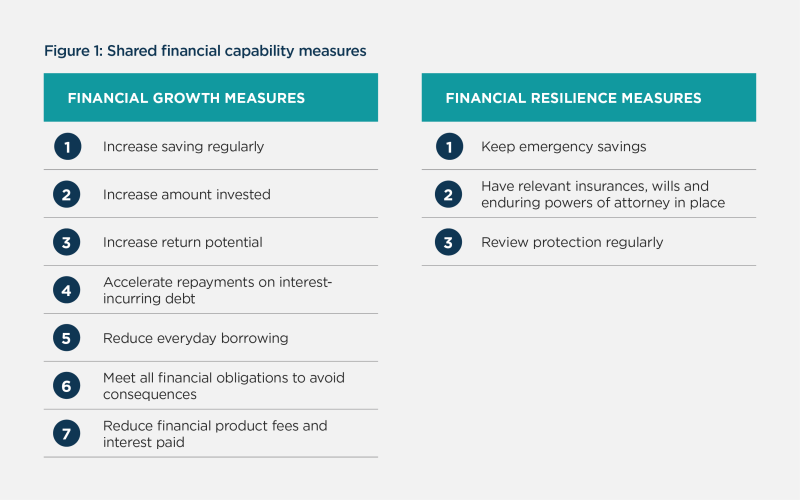
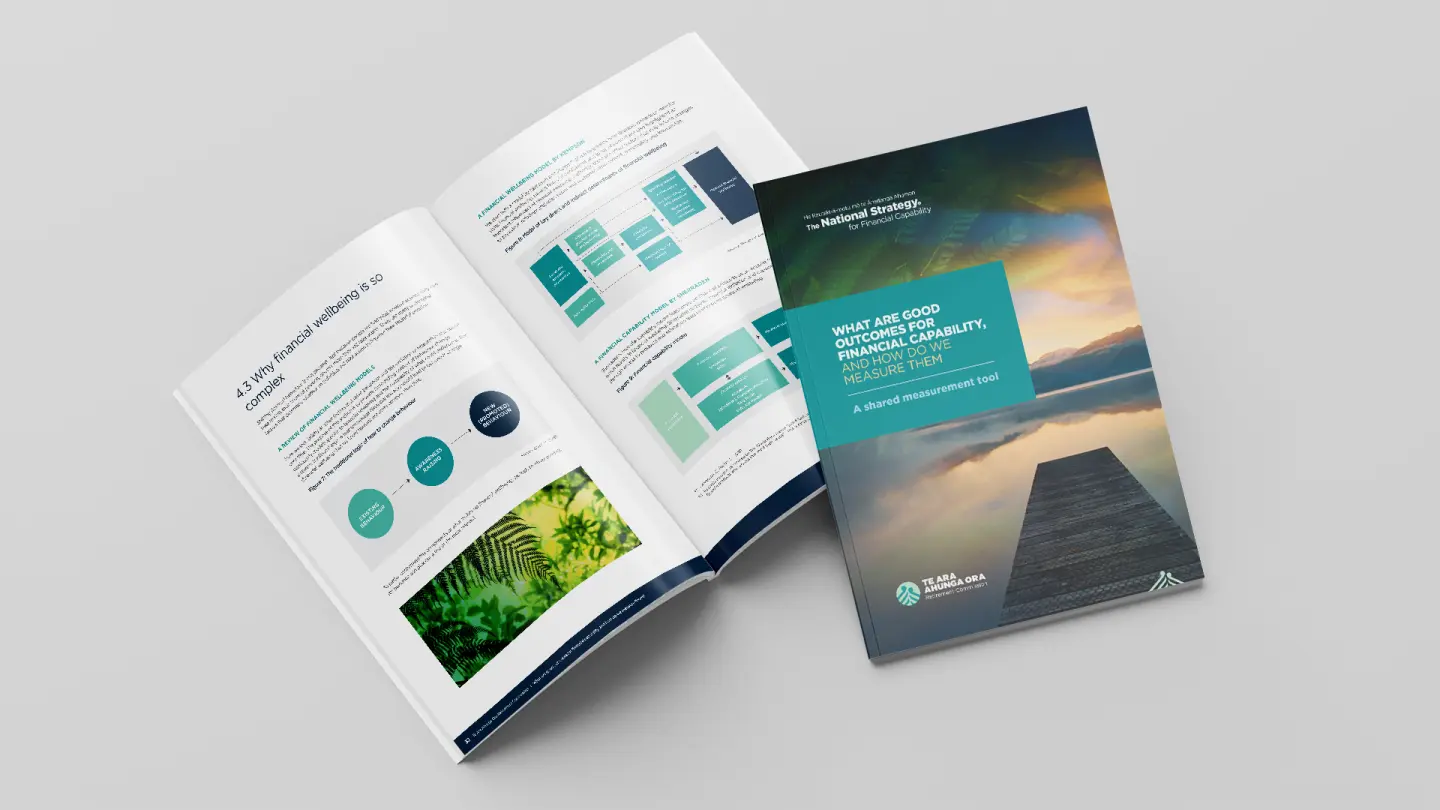
Financial capability measures
We are currently evolving our approach to understanding and sharing impact across the National Strategy for Financial Capability.
Our work in this area is ongoing. We are continuing to test and refine approaches to embedding impact evaluation in ways that are:
- grounded in the lived realities of people, whānau and communities;
- mana‑enhancing, strengths‑based, and inclusive;
- responsive to different journeys, recognising that change is not always linear;
- supportive of shared learning across the financial capability sector.
We are also working to ensure that our approach reflects kaupapa Māori perspectives and supports culturally grounded ways of understanding and sharing change, including narrative, relational, and community‑based approaches.
This work is being developed in partnership with stakeholders across Aotearoa New Zealand and will continue to evolve over time.
If you are interested in learning more about this mahi, please get in touch with Kate Hannah, Stakeholder Lead.